
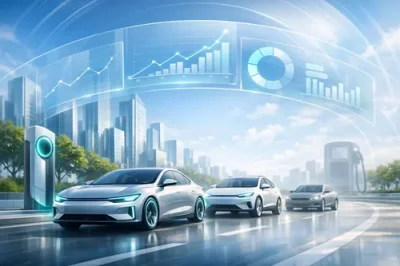


What to know about financing a used electric vehicle in Australia
Financing a used electric vehicle can differ from financing a new EV because lenders may look more closely at vehicle age, battery condition, warranty status, valuation, green loan eligibility and how the car is being purchased. - read more

Key Trends Shaping the Future of Electric Vehicle Financing in Australia
The electric vehicle (EV) revolution is taking Australia by storm, with more drivers switching to cleaner, greener alternatives to traditional petrol cars. As environmental consciousness grows, so does the demand for electric vehicles, making it crucial for consumers to understand how to finance these modern marvels effectively. - read more

How Electric Vehicles Are Valued for Finance and Insurance
As electric vehicles (EVs) become an increasingly important part of Australia's automotive market, understanding how they are valued has become relevant to vehicle finance, insurance and resale transactions. Unlike conventional vehicles, EV valuations may also consider factors such as battery condition, software capability and rapidly evolving technology alongside more traditional valuation criteria. - read more

How to Integrate Electric Vehicles into Your Home Energy System
Electric Vehicles (EVs) are automobiles that are propelled by electric motors powered by rechargeable battery packs. They offer a cleaner, more sustainable alternative to traditional petrol and diesel-powered cars. - read more
No comments yet. Be the first to share your thoughts.