
The information on this website is general in nature and does not take into account your objectives, financial situation, or needs. Consider seeking personal advice from a licensed adviser before acting on any information.
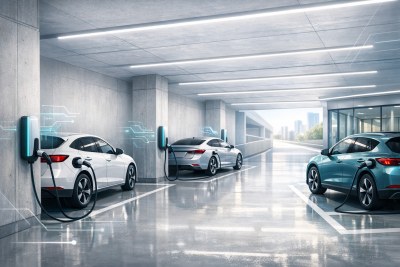
The key EV measure is aimed at establishing a right for lot owners to install electric vehicle charging infrastructure on their own lot. In practical terms, that should make it harder for strata committees to take a blanket “no EV chargers” position once the relevant provisions commence. However, it does not mean every charger proposal will automatically proceed without conditions. Buildings still need to manage electrical capacity, common property works, safety, billing and cost recovery.
That distinction matters for finance planning. A buyer comparing EVs may focus on the vehicle price, interest rate and loan term, but home charging can be a major part of the ownership equation. In a freestanding home, the question may be whether the switchboard and parking location suit a charger. In an apartment building, the question can extend to strata approval, an energy assessment, shared infrastructure, metering, load management and possible capital works contributions.
For households preparing an EV budget, the reform may make the path clearer but not necessarily cheaper. NSW guidance on EV-ready strata buildings outlines several models, from individual installations through to modular or whole-of-building approaches. Some costs may sit with the owner installing the charger, while other infrastructure costs may be handled through the owners corporation and recovered over time. That means prospective buyers should consider charger access alongside registration, insurance, servicing, electricity tariffs and depreciation as part of the broader total cost of ownership.
The timing also deserves attention. The Act has received assent, but the NSW Government says the EV charging right is among changes planned to start in 2027. Until commencement details and regulations are settled, owners and tenants should avoid assuming the new process is already fully available. Tenants will generally still need to work through their landlord, while owners will need to engage with the strata committee or strata manager.
For EV finance shoppers, the wider lesson is that vehicle affordability and charging practicality are connected. Before committing to a model, it can be useful to compare likely repayments, upfront charging expenses and ongoing electricity arrangements using general repayment scenarios. The NSW reform may reduce one long-running barrier for apartment residents, but careful budgeting remains essential because strata buildings vary widely in readiness, layout and upgrade costs.
Published:Wednesday, 28th Oct 2026
Author: Paige Estritori
Please Note: We do not endorse any specific products or companies. Some content is sourced from third parties, including press releases, and may not be independently verified for accuracy or completeness.
Rate this article
0 Comments
No comments yet. Be the first to share your thoughts.