
Electric Vehicle Loans :: News
SHARE

Share this news item!

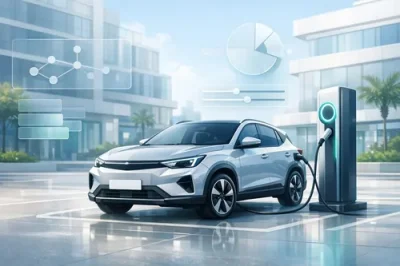
Leapmotor B10 Points to More Choice for Price-Sensitive EV Buyers

A new compact electric SUV could sharpen the finance equation in Australia’s growing entry-level EV market

Leapmotor B10 Points to More Choice for Price-Sensitive EV Buyers?w=400

The information on this website is general in nature and does not take into account your objectives, financial situation, or needs. Consider seeking personal advice from a licensed adviser before acting on any information.

Leapmotor’s B10 is emerging as another model to watch in Australia’s fast-changing electric SUV market, with local attention building around the compact battery-electric SUV as the Chinese brand expands beyond its larger C10.
For households that have been waiting for EV prices to move closer to mainstream petrol and hybrid alternatives, the B10 could become a meaningful addition if it lands with sharp pricing and practical range.

The importance of this story is less about one badge and more about the direction of the market. Australia’s affordable EV segment is no longer being shaped by one or two early movers. Newer entrants from China, established Korean brands and value-focused European nameplates are all competing for buyers who want lower running costs without stepping into luxury-car territory. That competition is beginning to matter for finance, because a broader choice of models can create stronger discounting, more lender appetite and better opportunities to compare finance options.

The B10 is expected to sit in the compact SUV space, where Australian buyers are already comfortable shopping. That gives it an advantage over very small city EVs, which may be cheaper but can be harder to justify for families needing boot space, rear-seat practicality and weekend flexibility. If the model arrives with a well-equipped entry grade, competitive battery range and a sensible warranty package, it could appeal to buyers weighing up vehicles such as the MG S5 EV, Hyundai Inster, BYD Atto 1 and other sub-premium electric options.

For finance shoppers, the key will be looking beyond the advertised price. A lower purchase cost can help reduce the amount borrowed, but total affordability still depends on interest rate, loan term, deposit, fees, insurance and expected resale value. Newer brands can offer strong value, yet buyers should also consider service coverage, parts availability and how the model may be viewed in the used market once more EVs enter Australia’s second-hand pipeline.

This is where modelling matters. Before committing to a new entrant, buyers should estimate repayments across different deposits and loan terms, then compare that monthly figure with likely savings on fuel and servicing. A cheaper EV is not automatically the best financial fit if a longer loan term increases total interest or if insurance costs are higher than expected.

The broader takeaway is positive for consumers. Every credible new compact EV gives Australian buyers more leverage, and more leverage can make electric vehicle financing feel less like a premium purchase and more like a practical household upgrade.

Published:Wednesday, 16th Sep 2026
Author: Paige Estritori

Please Note: We do not endorse any specific products or companies. Some content is sourced from third parties, including press releases, and may not be independently verified for accuracy or completeness.

Share this news item:

Rate this article

0 Comments

No comments yet. Be the first to share your thoughts.

Finance News

NSW strata charger reforms could reshape apartment EV budgeting
28 Oct 2026: Paige Estritori
NSW has moved closer to making apartment EV charging a practical part of vehicle ownership, with the Strata Schemes Legislation Amendment (Miscellaneous) Act 2026 assented on 23 October and government guidance indicating further reforms planned to start in 2027. For electric vehicle buyers in strata buildings, the change is not just a property-law update; it could affect how households think about finance, charging access and the real cost of switching from petrol to electric. - read more
Leapmotor B10 Points to More Choice for Price-Sensitive EV Buyers
16 Sep 2026: Paige Estritori
Leapmotor’s B10 is emerging as another model to watch in Australia’s fast-changing electric SUV market, with local attention building around the compact battery-electric SUV as the Chinese brand expands beyond its larger C10. For households that have been waiting for EV prices to move closer to mainstream petrol and hybrid alternatives, the B10 could become a meaningful addition if it lands with sharp pricing and practical range. - read more
Next Nissan Leaf Could Reset the Family EV Shortlist
26 Aug 2026: Paige Estritori
Nissan's next-generation Leaf is shaping up as a more serious contender for Australian electric vehicle buyers, with the familiar hatchback nameplate moving towards a sleeker crossover format and a more competitive technology package. While local pricing and final specifications are still to be confirmed, the new model matters because it could return a trusted mainstream badge to the centre of the EV conversation. - read more
Cheaper Used EVs Could Change the Finance Equation
12 Aug 2026: Paige Estritori
Australia's electric vehicle market is entering a more practical phase for buyers who have been interested in switching to battery power but cautious about new-car prices. Recent industry reporting points to a growing pool of used EVs, helped by stronger new-vehicle sales over the past few years, more fleet turnover and a broader range of brands competing for attention. - read more


Car Loan Articles

How electric vehicle loan applications and pre-approval work in Australia
Applying for an electric vehicle loan in Australia usually involves checking affordability, comparing finance options, preparing documents, completing lender assessment and finalising the vehicle and loan contract. Pre-approval can help you understand a likely borrowing range before choosing an EV, but it is usually conditional and not a guarantee of final approval. - read more
How electric vehicle incentives and tax concessions can affect EV purchase costs in Australia
Electric vehicle incentives, rebates and tax concessions can change the upfront and ongoing cost of buying an EV in Australia. This guide explains the main types of support and how they may affect finance planning. - read more
Understanding Electric Vehicle Depreciation and Resale Value
Depreciation refers to the gradual reduction in a vehicle's market value over time. Like all vehicles, electric vehicles (EVs) generally depreciate as they age, accumulate kilometres and become superseded by newer models. Understanding depreciation is an important part of evaluating the overall cost of EV ownership because it influences the vehicle's value throughout its ownership life. - read more
Key Trends Shaping the Future of Electric Vehicle Financing in Australia
The electric vehicle (EV) revolution is taking Australia by storm, with more drivers switching to cleaner, greener alternatives to traditional petrol cars. As environmental consciousness grows, so does the demand for electric vehicles, making it crucial for consumers to understand how to finance these modern marvels effectively. - read more

Knowledgebase
Debt-to-Income Ratio (DTI):
A personal finance measure that compares an individual's monthly debt payment to their monthly gross income.