The information on this website is general in nature and does not take into account your objectives, financial situation, or needs. Consider seeking personal advice from a licensed adviser before acting on any information.
Electric Vehicles (EVs) are automobiles that are propelled by electric motors powered by rechargeable battery packs. They offer a cleaner, more sustainable alternative to traditional petrol and diesel-powered cars.
Home energy systems typically encompass a range of devices and technologies dedicated to managing and conserving energy use within a household. This can include solar panels, battery storage systems, and smart home appliances, among others.
In Australia, there's a noticeable shift towards eco-conscious living. More Australians are considering the environmental impact of their lifestyle choices, seeking out sustainable options for their homes and transportation needs.
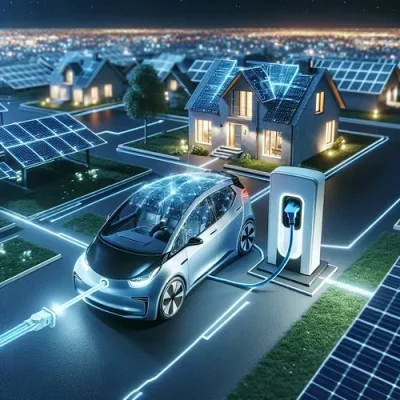
Integrating Electric Vehicles into home energy systems brings a host of benefits. It not only supports the reduction of carbon emissions but also offers potential cost savings by using renewable energy sources to power vehicles. This integration can make Electric Vehicle ownership more attractive and practical, aligning with broader sustainability goals.
Understanding Your Home's Energy Needs
Grasping your home's current energy consumption is the first step toward integrating an electric vehicle into your energy system. Begin by examining your electricity bills to understand usage patterns and identify any energy-hungry appliances or practices. This insight will help you gauge how best an Electric Vehicle can fit into your existing setup.
By pinpointing areas for improvement, an electric vehicle can assist in boosting overall efficiency. For instance, utilizing an Electric Vehicle can reduce reliance on fossil fuel-powered transportation, thereby aligning with your household's efforts to be more energy-conscious. With an Electric Vehicle, you can transform your commuting into a cleaner process by using personal or grid-supplied power.
Adopting solar panels and home batteries could enhance your home energy system's effectiveness further. These technologies enable you to generate and store renewable energy, which can be used to charge your electric vehicle. This not only takes the pressure off the grid but also offers potential cost savings by allowing you to power your vehicle with energy harnessed from the sun.
Choosing the Right Electric Vehicle for Your Home
Selecting an electric vehicle that suits your home energy system involves weighing several key factors. With an increasing array of Electric Vehicle models available in Australia, it's vital to pinpoint one that aligns with your lifestyle and energy goals. Considerations such as driving range, battery capacity, and charging needs are fundamental to this decision.
When it comes to range, think about your typical commute and regular trips. Models offering a longer range may command a higher upfront cost, but they provide added flexibility for longer journeys. Battery life is another crucial aspect. Opt for models known for durability and efficient battery utilization, ensuring you get the most out of every charge cycle.
Charging infrastructure and options should not be overlooked. Consider the availability of home charging solutions and public charging stations in your vicinity. Assess compatibility with solar systems if you have them, since this can enhance cost savings by utilizing self-generated renewable energy.
Financing your Electric Vehicle purchase smartly can make a significant difference. Investigate low-interest loan options available in Australia, or explore incentives and rebates that could reduce costs. This strategic approach will not only maximize your investment but will also support a transition to a more sustainable, energy-efficient lifestyle.
Setting Up Your Home for Electric Vehicle Integration
Integrating an electric vehicle into your home energy system requires some essential installations, starting with a dedicated Electric Vehicle charging station. Home chargers come in various power levels, so choosing the right one depends on your vehicle's specifications and available power supply. Level 2 chargers are popular for home use, offering faster charging times compared to standard outlets, ensuring your vehicle is ready for daily commutes.
The installation of smart meters can enhance the efficiency of your home energy system significantly. These devices provide real-time data on electricity usage, helping you manage energy consumption more effectively. Coupled with home energy management systems, you can optimize electricity usage, scheduling vehicle charging during off-peak hours to reduce costs and lessen the strain on the grid.
Professional services can make the integration process seamless and efficient. Engaging certified electricians ensures that installations meet safety standards and local regulations. They can assess your home's electrical capacity and recommend necessary upgrades, providing peace of mind as you transition to an eco-friendlier transportation solution.
The Financial and Environmental Impacts
Integrating electric vehicles with solar power systems can unlock significant financial savings for Australian households. By harnessing the power of the sun to charge your vehicle, you minimize reliance on traditional electricity sources, effectively reducing energy bills. Over time, this synergy can lead to substantial cost savings, making the initial investment in solar installation worthwhile. Additionally, Electric Vehicle owners can benefit from lower operational costs compared to petrol-powered vehicles, contributing to further financial relief.
Beyond cost savings, the environmental impact of combining Electric Vehicles with renewable energy is profound. Using solar power to charge your electric vehicle drastically cuts down on your carbon footprint, contributing to the reduction of greenhouse gas emissions. This shift promotes cleaner air quality and aligns with global goals to combat climate change. By choosing electric mobility powered by renewable energy, you're playing a part in driving sustainable change.
The Australian government offers various incentives to encourage the adoption of electric vehicles and renewable technologies. These may include tax benefits, rebates on solar systems, and grants for home energy upgrades. Exploring these opportunities can ease the financial burden of transitioning to an eco-friendly lifestyle, while also supporting broader environmental objectives. Leveraging these incentives helps make the case for integrating Electric Vehicles into your home energy system even more compelling.
Maintaining and Optimising Your Electric Vehicle and Home Energy System
Regular maintenance is key to ensuring the longevity and efficiency of both your electric vehicle and home energy system. For Electric Vehicles, this means routine checks on battery health, tire maintenance, and software updates. Keeping the battery in optimal condition not only enhances performance but also extends the vehicle's overall lifespan.
Solar systems likewise require upkeep to function efficiently. Regular cleaning of solar panels helps maintain their ability to absorb sunlight effectively. Scheduling periodic inspections by qualified technicians can identify and address any mechanical or electrical issues before they escalate, ensuring continuous optimal performance.
To maximize energy efficiency, adopting smart strategies for usage and storage is vital. Timely charging of the Electric Vehicle during periods of high solar energy generation can help in storing surplus energy. Furthermore, integrating home battery systems to store unused solar energy extends utility beyond daylight hours, allowing for reduced grid dependency.
Leveraging technology can enhance management of your energy systems. Various monitoring tools and apps are available to assist in overseeing energy consumption and solar generation. These tools offer insights into usage patterns, helping optimize energy distribution and identify potential savings. Staying informed with real-time data empowers homeowners to make educated decisions about their energy use, aligning both with financial goals and ecological consciousness.
The Future of Home Energy Solutions with Electric Vehicle Integration
Integrating electric vehicles into home energy systems presents a future brimming with both potential and promise. Embracing this synergy offers numerous advantages, significantly reducing carbon emissions and pioneering a path toward sustainable living. By combining Electric Vehicles with home energy solutions like solar panels, homeowners can capitalize on the cost savings from renewable energy while minimizing their environmental impact.
Moreover, this integration isn't just a win for the environment but also for household finances. By utilizing solar power for vehicle charging, families can look forward to lower electricity bills and reduced fuel costs. Add to that the technological advancements in smart energy management, and it's clear that the future looks bright for Australian homes taking this leap.
For those considering this transition, the time is ripe to take actionable steps towards greater sustainability. Start by exploring the integration possibilities and assessing your home's energy needs. With numerous financing options and incentives available, making this green choice can be as economically viable as it is environmentally conscious.
As more Aussies make eco-friendly decisions, every effort counts. We invite you to explore the financing options available and join the growing community of eco-conscious Australians paving the way toward a cleaner, more sustainable future.
Published: Friday, 27th Mar 2026
Author: Paige Estritori



No comments yet. Be the first to share your thoughts.