The information on this website is general in nature and does not take into account your objectives, financial situation, or needs. Consider seeking personal advice from a licensed adviser before acting on any information.
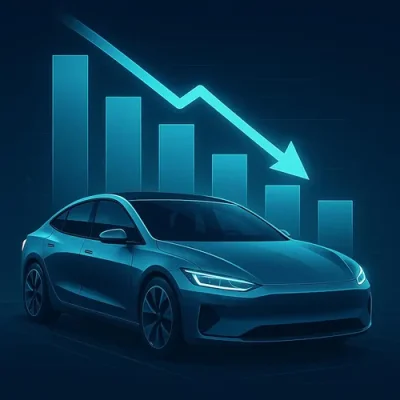
Depreciation refers to the gradual reduction in a vehicle's market value over time. Like all vehicles, electric vehicles (EVs) generally depreciate as they age, accumulate kilometres and become superseded by newer models. Understanding depreciation is an important part of evaluating the overall cost of EV ownership because it influences the vehicle's value throughout its ownership life.
Introduction to Electric Vehicle Depreciation
Several factors influence electric vehicle depreciation, some of which are unique to EV technology. Battery condition, manufacturer warranties, software support, technological development, market demand and charging infrastructure can all affect how individual EV models retain their value over time.
As Australia's electric vehicle market continues to mature, depreciation patterns are also evolving. Understanding the factors that influence resale value provides useful context when considering the long-term financial aspects of electric vehicle ownership.
Factors Affecting Electric Vehicle Depreciation in Australia
Electric vehicle depreciation is influenced by a combination of technical, market and economic factors. Battery condition remains one of the most significant considerations because battery performance directly affects driving range, vehicle efficiency and buyer confidence in the used vehicle market.
Software support also contributes to long-term vehicle value. Manufacturers regularly release software updates that may improve efficiency, introduce new features, enhance safety systems or optimise battery management. The availability of ongoing software support can influence how older EV models compare with newer vehicles entering the market.
Broader market conditions also affect depreciation. Consumer demand, government policy, new vehicle supply, charging infrastructure, technological innovation and manufacturer competition all contribute to changes in used EV values over time. Because these factors continually evolve, depreciation rates can vary between manufacturers, models and different periods within the market.
The Role of Battery Health in EV Resale Value
The traction battery is one of the most significant components influencing the long-term value of an electric vehicle. Battery condition affects driving range, charging performance and overall vehicle capability, making battery health an important consideration within the used EV market.
Battery capacity gradually changes throughout the life of an electric vehicle. The rate of change varies according to battery chemistry, charging patterns, operating temperatures, vehicle usage and battery management systems. These factors contribute to differences in battery performance between otherwise similar vehicles.
Many manufacturers provide battery warranties covering eligible defects or minimum battery capacity for specified periods or distances. The existence and remaining term of these warranties may influence buyer confidence and contribute to resale value in the used vehicle market.
Software Updates and Their Impact on EV Value
Modern electric vehicles rely extensively on software to manage battery systems, vehicle performance, safety features and driver assistance technologies. Ongoing software development has become an important part of the ownership experience and may influence the long-term value of an EV.
Manufacturers may release software updates that improve battery efficiency, charging performance, navigation, energy management or vehicle functionality. Because these improvements can continue after the vehicle has been purchased, software support differs from many traditional automotive technologies.
The availability of ongoing software support varies between manufacturers and vehicle models. Understanding this difference helps explain why software capability has become one of the factors influencing depreciation in the modern electric vehicle market.
Technological Changes and Their Effects on Depreciation
Technological innovation has been one of the defining characteristics of the electric vehicle market. Improvements in battery chemistry, charging capability, driving range, vehicle efficiency and software functionality continue to influence how both new and used EVs are valued. As newer models are introduced, earlier generations may experience changes in market demand and resale value.
Advancements such as faster charging, longer battery range, improved energy efficiency and enhanced driver assistance systems may contribute to differences in buyer preferences between newer and older vehicle models. The pace of technological development can therefore influence depreciation differently from many conventional petrol and diesel vehicles, where major technological changes often occur more gradually.
As the EV market matures, improvements in technology are expected to become more incremental rather than transformational. Understanding this relationship between technological development and market demand provides useful context when considering long-term depreciation trends.
Understanding the Used Electric Vehicle Market in Australia
Australia's used electric vehicle market has expanded as a broader range of EV models has entered the market. As vehicle supply increases and ownership becomes more widespread, the availability of pre-owned electric vehicles continues to grow across a range of manufacturers, price points and vehicle types.
Used EV values are influenced by many of the same factors that affect new vehicle depreciation, including battery condition, manufacturer warranty coverage, software support, service history, driving range, market demand and vehicle age. Buyers often consider these characteristics alongside purchase price when comparing different vehicles.
The used EV market continues to evolve as charging infrastructure expands, battery technology improves and consumer familiarity with electric vehicles increases. Understanding these broader market trends helps explain why resale values can change over time and why different EV models may depreciate at different rates.
Understanding Residual Value and Market Value
Although the terms are sometimes used interchangeably, residual value and market value have different meanings. Market value generally refers to the estimated price a vehicle may achieve in the open market at a particular point in time, while residual value commonly refers to an estimated future value used for finance or leasing purposes.
Residual values are often used in finance products such as novated leases and operating leases to estimate the vehicle's value at the end of the finance term. Market values, by comparison, are influenced by prevailing market conditions, buyer demand and the condition of the individual vehicle.
Understanding the distinction between market value and residual value helps explain why the estimated future value used in a finance agreement may differ from the actual resale value achieved when the vehicle is eventually sold.
Vehicle depreciation can also influence the loan-to-value ratio (LVR) over time. As a vehicle's market value changes throughout its ownership life, the relationship between the outstanding loan balance and the vehicle's current value may also change. Understanding this relationship helps explain why depreciation is an important consideration in vehicle finance as well as vehicle ownership.
Conclusion
Electric vehicle depreciation is influenced by a combination of technical, economic and market factors. Battery condition, software support, technological development, manufacturer warranties, market demand and broader industry trends all contribute to how individual EV models retain value throughout their ownership life.
As Australia's electric vehicle market continues to develop, depreciation patterns are also likely to evolve. Improvements in battery technology, expanding charging infrastructure, increasing competition and changing consumer preferences will continue to influence used EV values across different manufacturers and vehicle categories.
Understanding the factors that influence electric vehicle depreciation provides valuable context when considering the long-term financial aspects of EV ownership. It also helps explain why resale values differ between individual vehicles and why depreciation forms an important component of the overall cost of owning an electric vehicle.
Published: Thursday, 9th Jul 2026
Author: Paige Estritori



Battery warranty remaining is something I hadn’t properly factored into resale, especially if you’re still paying off an electric vehicle loan.